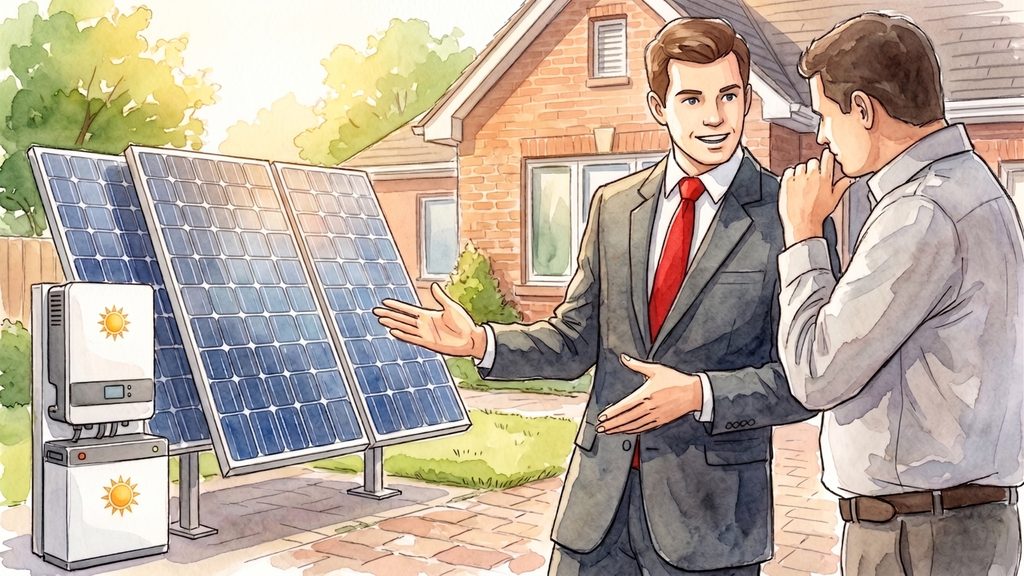
Powering Up Right: A Homeowner’s Guide to Solar Load Sizing and System Design

When homeowners decide to explore solar energy, the first question is almost always: “How many panels do I need?” It’s a natural starting point, but jumping straight to panel count without understanding load sizing is like buying a car engine without knowing whether you’re powering a compact sedan or a heavy-duty truck. To build a […]

Powering Up Right: A Homeowner’s Guide to Solar Load Sizing and System Design Read More »
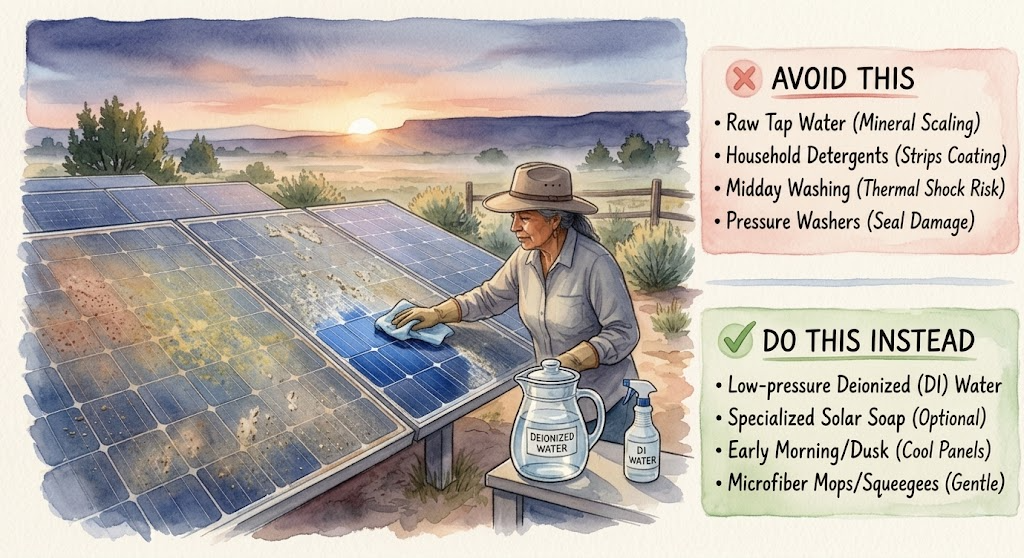
The “Pollen Blanket” and Caked Dust: The Hard Physics of Soiling Losses

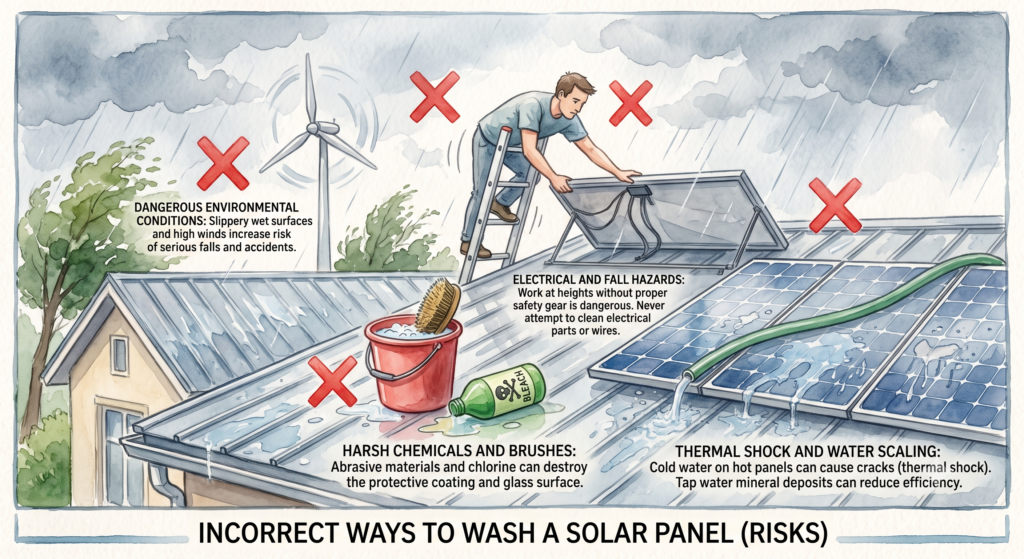
If you’ve been relying on brief summer rain showers to keep your solar panels clean, your monitoring app might be trying to tell you something. Earlier this year we talked about some of the hazards and safety considerations you should bear in mind if you’re cleaning your solar panels yourself. Today, we’ll be focusing specifically

The “Pollen Blanket” and Caked Dust: The Hard Physics of Soiling Losses Read More »

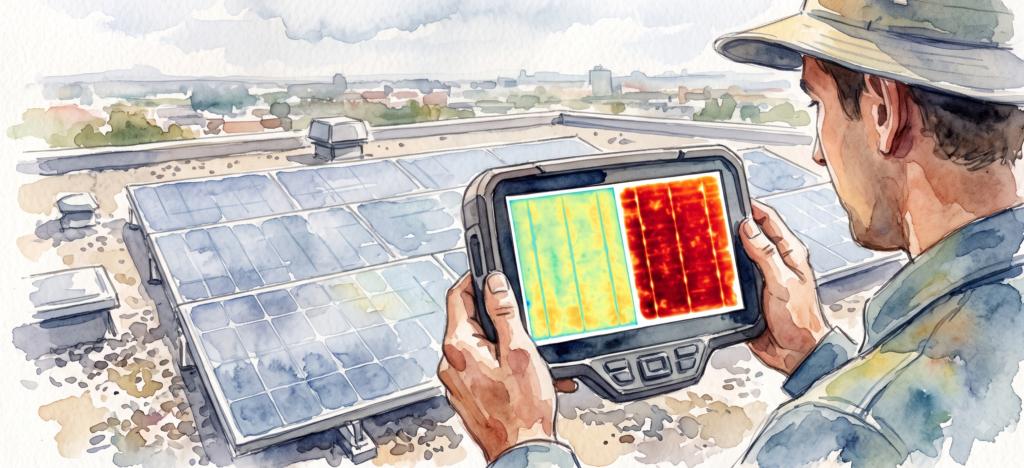
Understanding Micro-Cracks, Thermal Shock, and Hotspots

Solar panels are built to endure harsh weather, but over time, invisible stress can quietly degrade their performance. Three closely linked phenomena—thermal shock, micro-cracks, and hotspots—are leading causes of permanent solar panel damage and efficiency loss. Understanding how these issues develop gives homeowners the leverage to protect their panels and maximize energy output for decades.

Understanding Micro-Cracks, Thermal Shock, and Hotspots Read More »

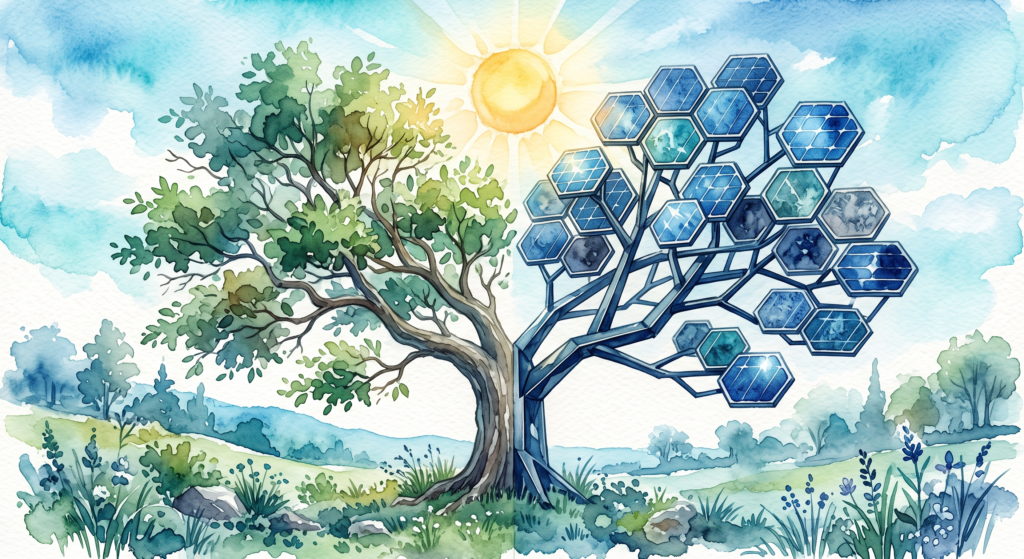
Trivia: A Lesson from Nature and The Myth of the “100% Efficient” Solar Panel.

When people first invest in solar energy, they often bring the mindset of a fuel-efficiency consumer: the higher the percentage, the better the value. We’ve been conditioned to think that reaching 100% efficiency—converting every drop of sunlight into electricity—is the ultimate technical goal. However, focusing on raw efficiency is a misunderstanding of how renewable energy

Trivia: A Lesson from Nature and The Myth of the “100% Efficient” Solar Panel. Read More »

Room to Breathe: The Convective Gap

We’ve established at this point that your solar energy system needs light to thrive, not heat! With the inverter addressed, let’s check back to the solar panels and inspect a detail you may not have noticed before: the solar panels don’t lay flush against the roof. All solar panels should be tilted for the optimal

Room to Breathe: The Convective Gap Read More »

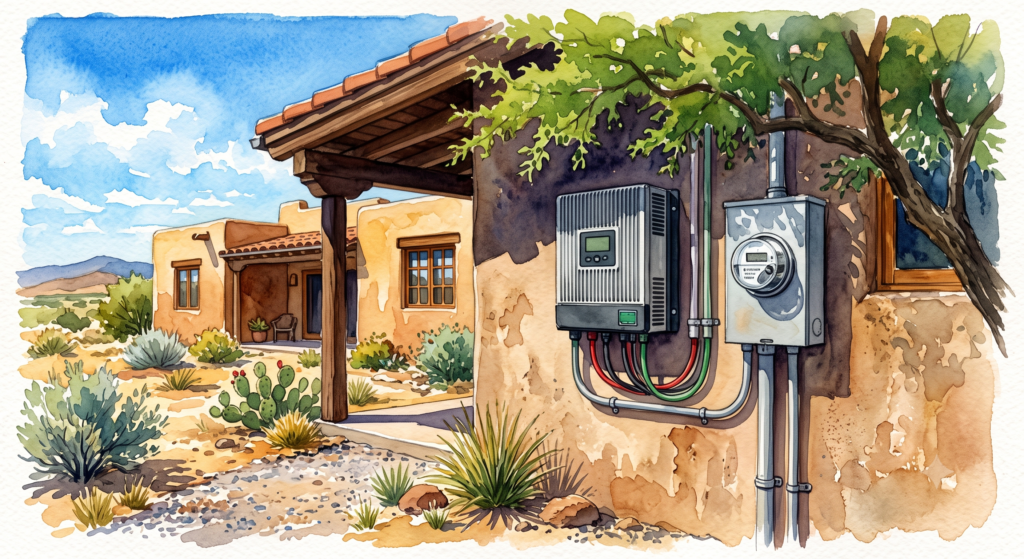
a depiction of an electric inverter box on the side of an adobe house

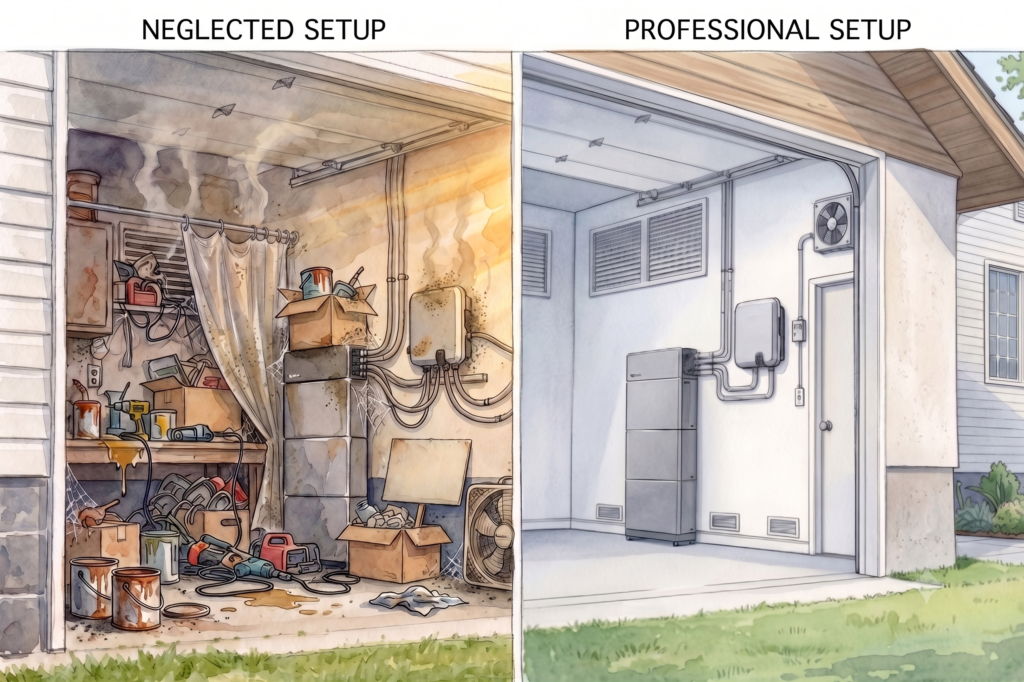
The Summer Solar Paradox – Inverter Thermal Derating – The Silent Summer Throttling Pt. 2/2

Thermal Derating is basically your solar inverter’s way of taking a “safety break” when it gets too hot. Think of the inverter as the brain of your system—it’s the box that converts the raw energy from your panels into the power your home actually uses. When this “brain” senses it’s overheating, it automatically slows down

The Summer Solar Paradox – Inverter Thermal Derating – The Silent Summer Throttling Pt. 2/2 Read More »

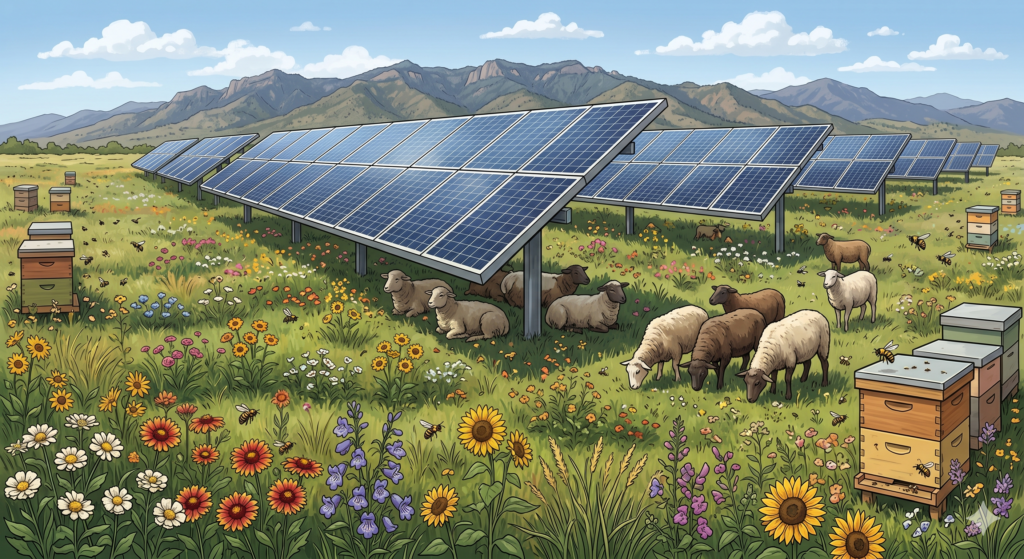
The Power of Two: Harnessing the Future with Agrivoltaics

At ECC Solar, we believe energy production shouldn’t just occupy the land—it should enrich it. While solar energy has long been the gold standard for energy independence, a new frontier is emerging: Agrivoltaics. Also known as “dual-use” solar, agrivoltaics is the strategic co-location of agriculture and solar energy production on the same piece of land.

The Power of Two: Harnessing the Future with Agrivoltaics Read More »